Neptunia Bluezone Expedition
Where Blue Zones and a thriving boat life meet the future together
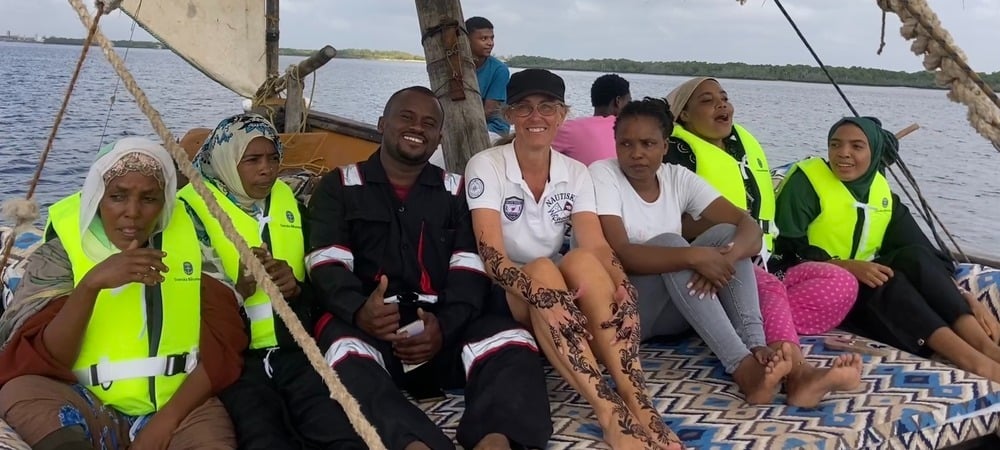
Neptunia Bluezone Expedition supports thriving, inclusive coastal communities by connecting meaningful boat life with sustainable Economic, Social and Environmental solutions, starting in Lamu, Kenya.
Blue Zones are places where people live longer, healthier and more connected lives – often near coastlines, rivers, islands and archipelagos. But these places do not exist in isolation. They are shaped, sustained and connected by boats.
- Leisure boats. Fishing boats. Transport boats. Work boats.
- Sailboats and motorboats.
- Traditional vessels and emerging technologies.
Neptunia Bluezone Expedition is about the marriage between Blue Zones and a thriving, future-proof boat life – where maritime activity strengthens communities, supports livelihoods and accelerates the transition to sustainability.
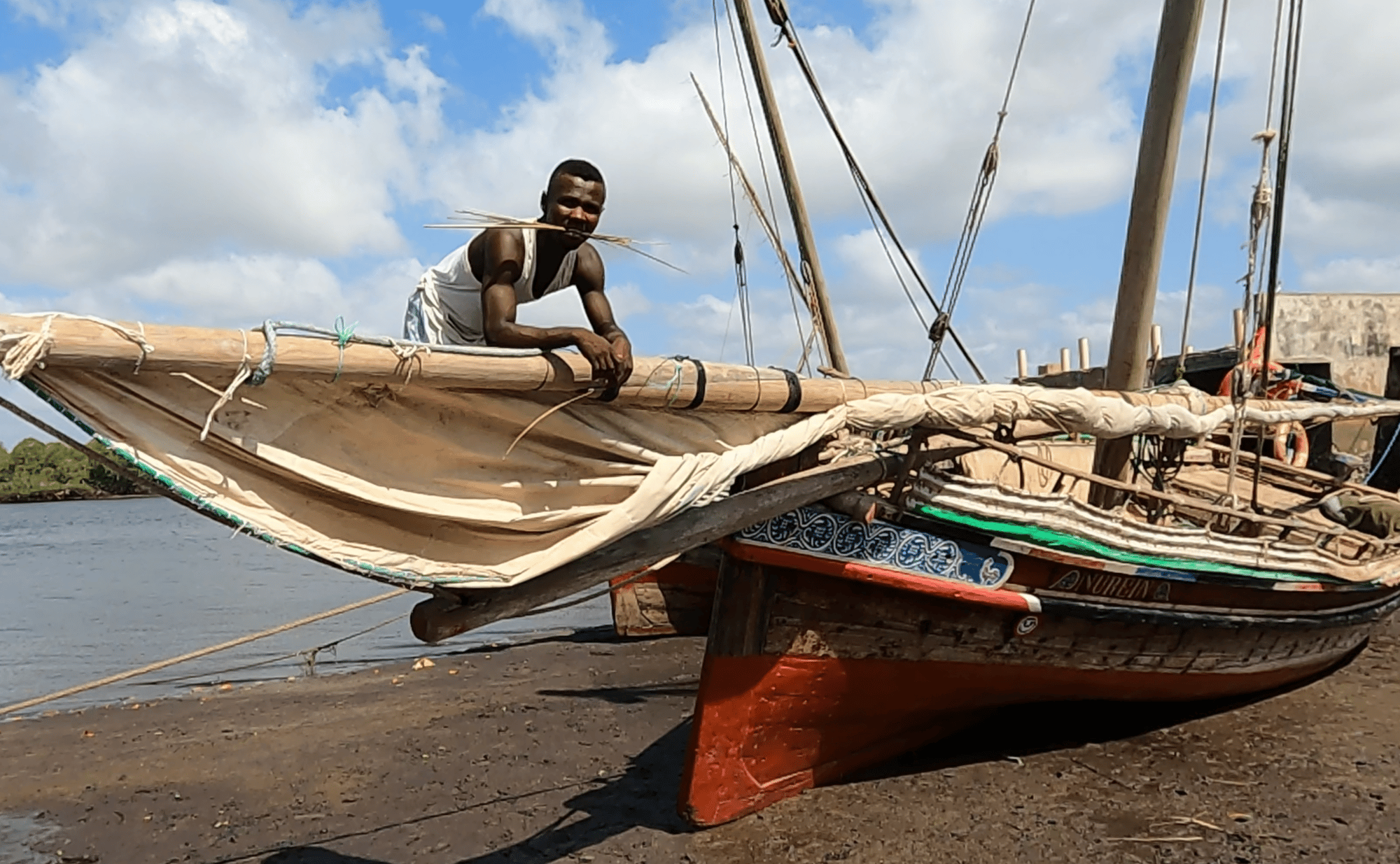
Boats as lifelines – not just leisure
In many parts of the world, boats are not a hobby. They are infrastructure.
They transport people, food, water, materials and knowledge. They enable work, trade, education and healthcare. They connect islands, villages and cultures. They create meeting places – marinas, docks, boat clubs and harbors – that function as social hubs.
A thriving boat life is therefore essential to:
- * Social cohesion and inclusion
- * Local economies and entrepreneurship
- * Cultural continuity and maritime knowledge
- * Access, mobility and resilience
Blue Zones flourish when boat life flourishes – responsibly.
Sustainability without naivety
Neptunia Bluezone Expedition is realistic, not dogmatic.
Yes, sailboats are often the most environmentally friendly option.
But motorboats are sometimes necessary – for transport, safety, work, emergency response and daily life.
The solution is not to reject boats running on fossile fuel.
The solution is to transform the technology.
That is why this expedition actively connects Blue Zones with:
- Renewable energy innovation
- Electric and hybrid boats
- Solar-powered vessels and infrastructure
- Cleaner fuels and energy efficiency
- Research, pilots and local adaptation
Marinas, harbors, boat clubs and transport operators are invited to become testing grounds and learning hubs for the maritime energy transition – especially in regions where innovation is often excluded.
Sustainability – anchored in boat life
Environmental
Healthy waters require responsible navigation. We support marine protection, mangrove and shoreline restoration, and reduced pollution – while encouraging the shift toward renewable maritime energy and cleaner boating technologies.
Social
Boat life creates belonging. Docks, clubs and marinas are natural meeting places where generations, genders and cultures intersect. We work to make access to water and boating inclusive – from swimming skills and safety to participation and leadership.
Economic
A sustainable Blue Zone must be economically alive. Boat-based livelihoods, tourism, transport, maintenance, innovation and small enterprises are supported through entrepreneurial thinking, fair business models and access to funding.
What the expedition does
Neptunia Bluezone Expedition acts as a change maker and global connector between water, people and maritime futures by:
* Documenting and amplifying Blue Zones with strong boat cultures
* Showcasing initiatives where boating supports community wellbeing* Supporting fundraising and partnerships for local maritime projects
* Encouraging renewable energy solutions in marinas and transport systems
* Connecting traditional knowledge with modern maritime technology
* Creating visibility for places often overlooked on the global map
This is not charity. It is strategic solidarity.
Inauguration: Lamu, Kenya, February 2026
Listening, learning and participating
Neptunia Bluezone Expedition was inaugurated in Lamu, Kenya in February 2026 — a historic island archipelago where boats are central to daily life, connecting people, work and communities across water.
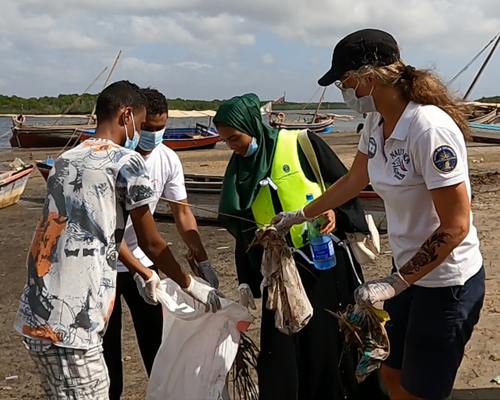
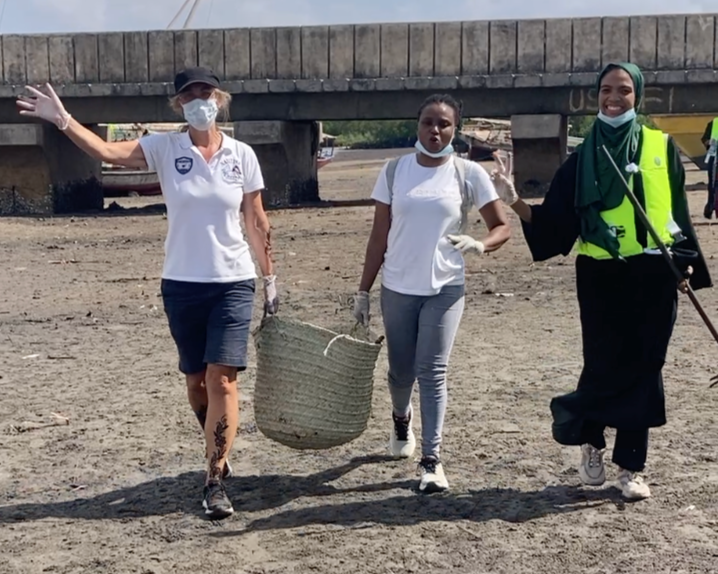
The inauguration took place through participation in ongoing, community-led initiatives, allowing the expedition to begin in listening and learning rather than proclamation. Activities included beach clean-ups, marine stewardship, mangrove conservation, swimming lessons for women to improve safety and access to water, and conversations around boats, transport and livelihoods.
Lamu, where boats are a necessity rather than a choice, offered a natural and meaningful context in which to begin a global exploration of Blue Zones and sustainable boat life.
Matondoni Beach Cleaning – A Moment of Shared Purpose
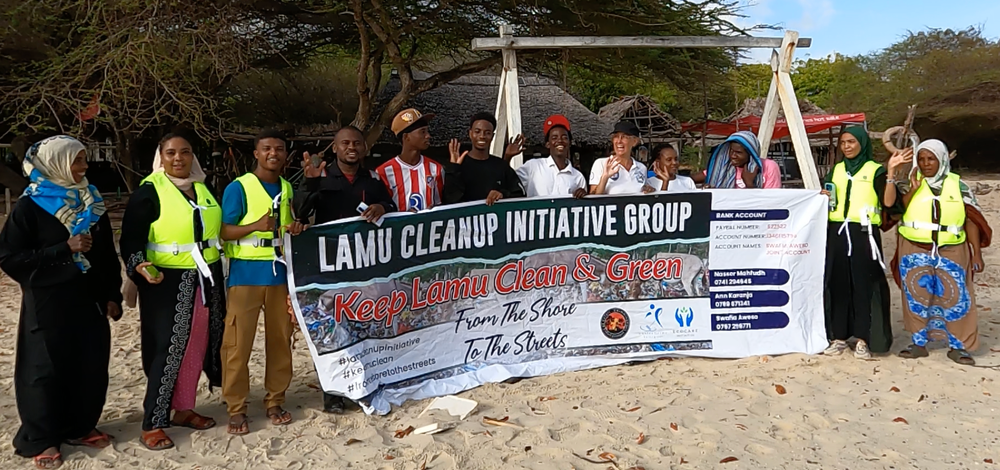
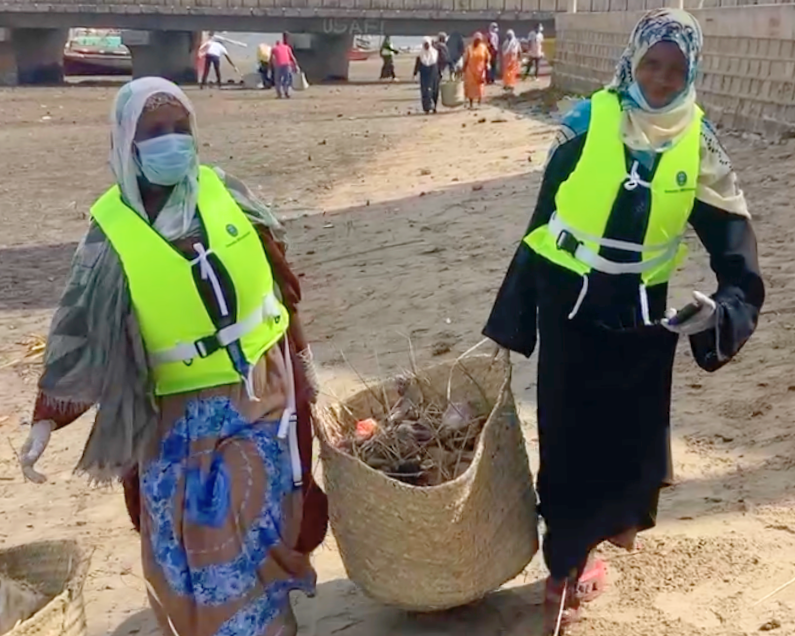
During the inauguration period, Neptunia Bluezone Expedition was invited to take part in a large-scale beach cleaning at Matondoni, organised and carried out by local youth groups, women’s initiatives, environmental organisations and county representatives.
The clean-up was mobilised by Nasoor Mahfudh Mohamed, a locally recognised entrepreneur, youth leader and environmental advocate from Lamu. Through his initiatives, including Camp Wiyoni Beach Enterprise and Safari Swimming and Entertainment Self Help Group, Nasoor supports youth engagement, women’s participation and practical environmental action — particularly in mangrove conservation and restoration.
For Neptunia Blue Zone Expedition, being present at the Matondoni beach cleaning was an honour and an opportunity to witness local leadership in action and to allow this moment of collective care to mark the commencement of the expedition. The event itself — shaped and owned by the community — reflected many of the values the expedition seeks to highlight and support over time.
The day brought together volunteers from across Lamu to clear the shoreline, address marine pollution and reaffirm shared responsibility for the coastal environment. It served as a powerful reminder that Blue Zones are sustained first and foremost by the people who live and act within them.
Organisations involved in the Matondoni Beach Cleaning
• Faza Youth Action Group
• Tarazaq Self Help Group
• Safari Swimming and Entertainment Self Help Group
• Eco Care Initiative Group
• Cusfas Grime Enterprise
• Uhai Africa Organisation
A video documenting the Matondoni beach cleaning and the voices behind it will soon be published on our YouTube channel.
Mangrove Conservation & Community Nurseries
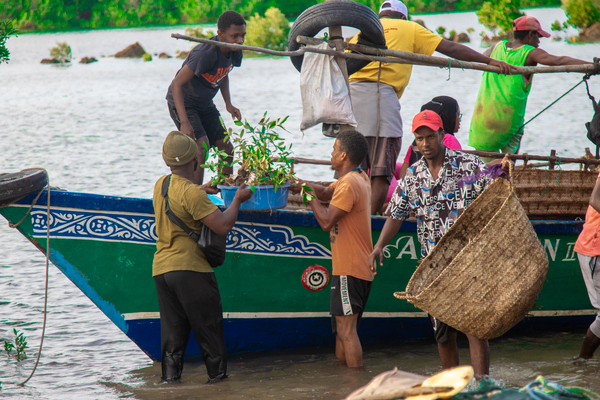
Mangrove conservation is a central part of Nasoor Mahfudh Mohamed’s community work in Lamu. Through his initiatives and close collaboration with local women’s groups and youth, mangrove nurseries are established, cared for and expanded as a long-term investment in both environmental and social resilience.
Women play a key role in this work — collecting propagules, raising mangrove seedlings and maintaining nurseries that later support restoration efforts along degraded shorelines. These activities strengthen coastal protection, improve marine biodiversity and contribute to climate resilience, while also creating knowledge, ownership and income opportunities within the community.
Youth involvement is equally essential. Young people are engaged not only as volunteers, but as future custodians of the coastline — learning why mangroves matter, how ecosystems function, and how local action directly affects fishing grounds, shoreline stability and community wellbeing.
Through this hands-on, community-led approach, mangrove conservation becomes more than an environmental activity. It becomes a shared responsibility and a source of pride, linking ecological health with livelihoods, education and long-term sustainability — fully aligned with the values of Neptunia Blue Zone Expedition.
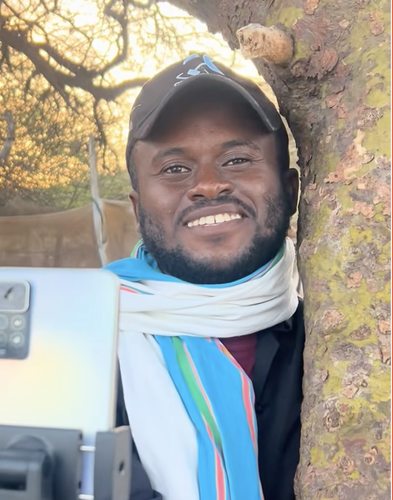
“Protecting our beaches and mangroves is not just about the environment.
It’s about our youth, our women, our future — and taking responsibility for the place we call home.”
— Nasoor Mahfudh Mohamed,
Youth Leader, Entrepreneur & Environmental Advocate, Lamu
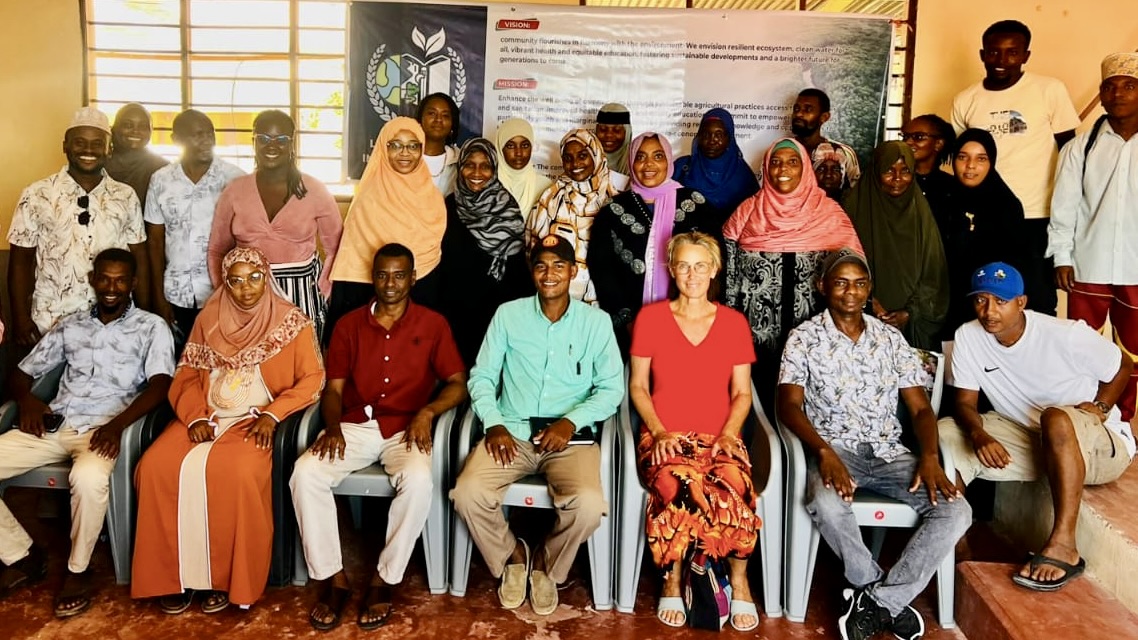
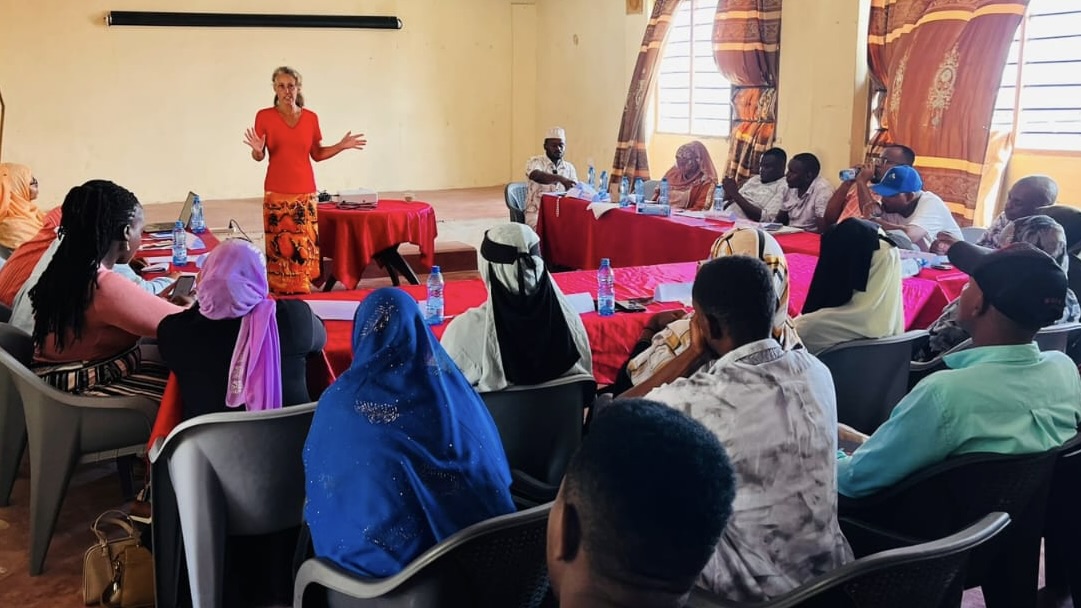
Meeting at Lamu Youth Assembly Hall, Lamu – February 2026
Maria was invited as a guest to join a stakeholder meeting with the Lamu Central Initiative Group, together with representatives from Lamu East and Lamu West, village leaders, board members and national government representatives.
The meeting focused on updates, collaboration and continued work around sustainable community development in Lamu. The activity was supported by the Aga Khan Foundation through the Swahili Community Program.
Thank you for the invitation and the opportunity to listen and exchange perspectives.
About Maria Lannér
Neptunia Bluezone Expedition is founded by Maria Lannér, a Swedish communication strategist, change facilitator and boating professional whose work has moved in parallel tracks for more than three decades — until now.
Maria first came to Lamu in 1991 as a student in the Global Program at Long Island University. During 1991–1992 she also completed an internship at the Lamu Museum, working as an illustrator at Lamu Fort where she designed illustrations for the environmental exhibition. The experience deepened her connection to the island’s cultural and ecological heritage and left a lasting imprint.
Throughout her professional life, Maria has worked as what she describes as a “circular” changemaker — moving between sectors, countries and disciplines. Her career has included strategic communication within sustainable development, development finance and civil society, alongside hands-on facilitation in complex social and political environments. She has worked with stakeholder dialogue, transformational leadership and systems change, often in fragile or emerging contexts.
In parallel, she built Neptunia, a boating and maritime coaching platform in Sweden. What began as a practical adaptation to family life — creating work that allowed geographical flexibility — evolved over sixteen years into a respected boating practice grounded in safety, confidence, seamanship and community around water.
For many years, these two professional worlds ran side by side:
international development and maritime life.
With Neptunia Bluezone Expedition, they converge.
The expedition represents the integration of Maria’s lifelong work around communication, sustainability, social systems and boating culture — exploring how thriving coastal communities, responsible boat life and long-term sustainability are deeply interconnected.
Today, Maria’s life remains international and relational. She spends time in Sweden, where her parents live; in Italy, where her partner is based; and in Taiwan, where her daughter resides. Movement between places, cultures and waters has become part of her lived perspective — not an abstraction, but a daily reality.
Neptunia Bluezone Expedition is not a departure from her previous work.
It is the natural synthesis of it.
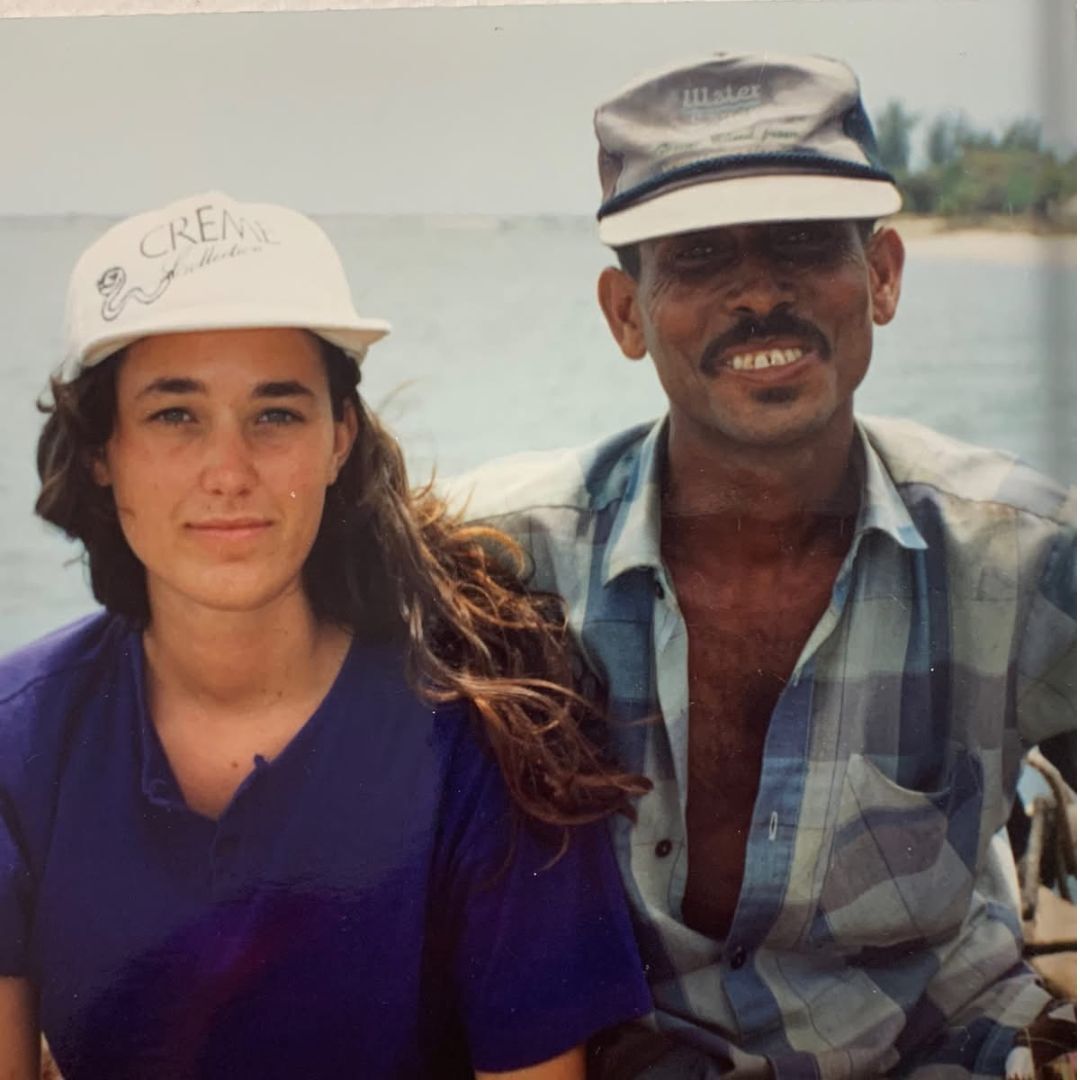
Maria on a dhow with Pele "Charlie" in Lamu, 1991
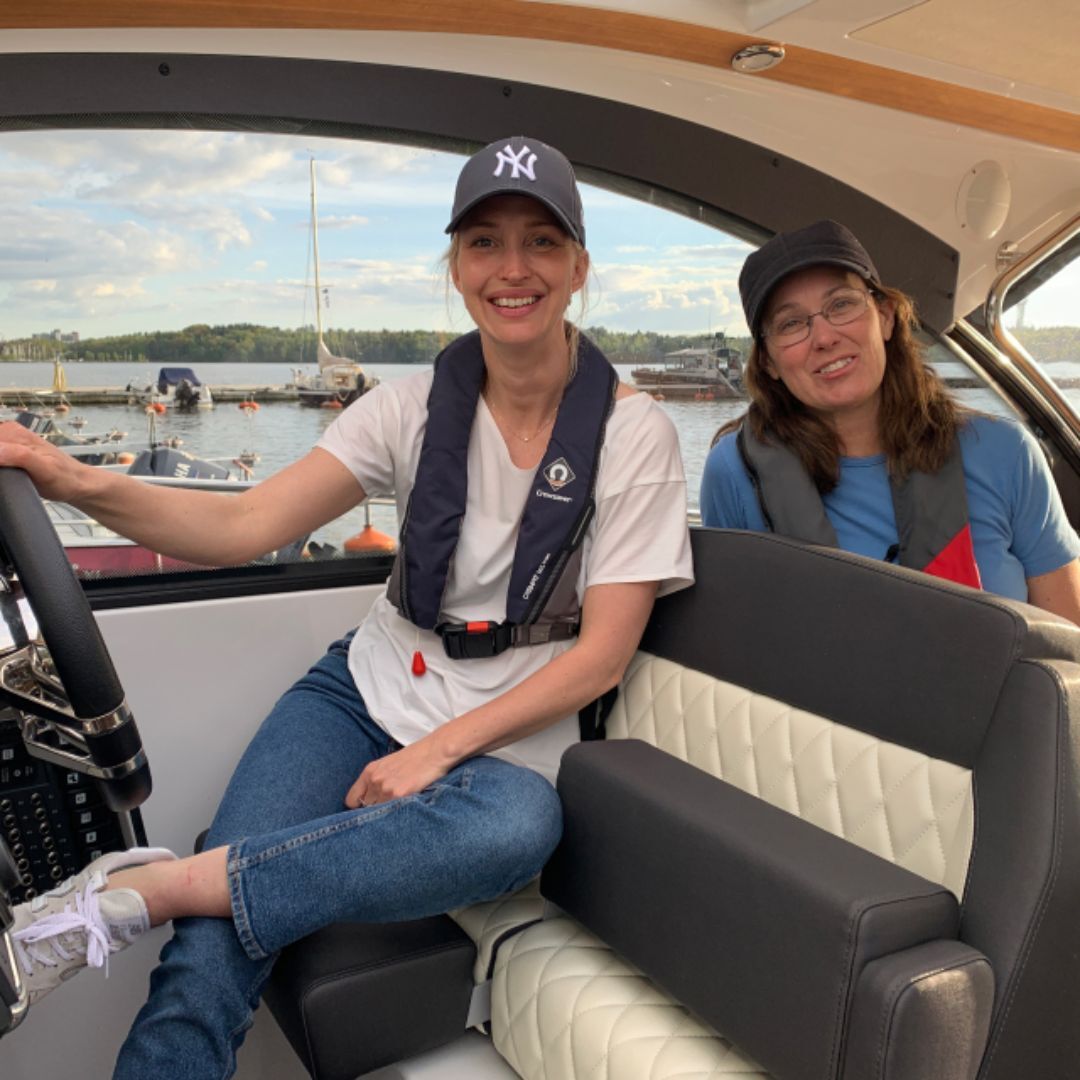
Coaching one of may women-captains, in a Grandezza 35 ft.
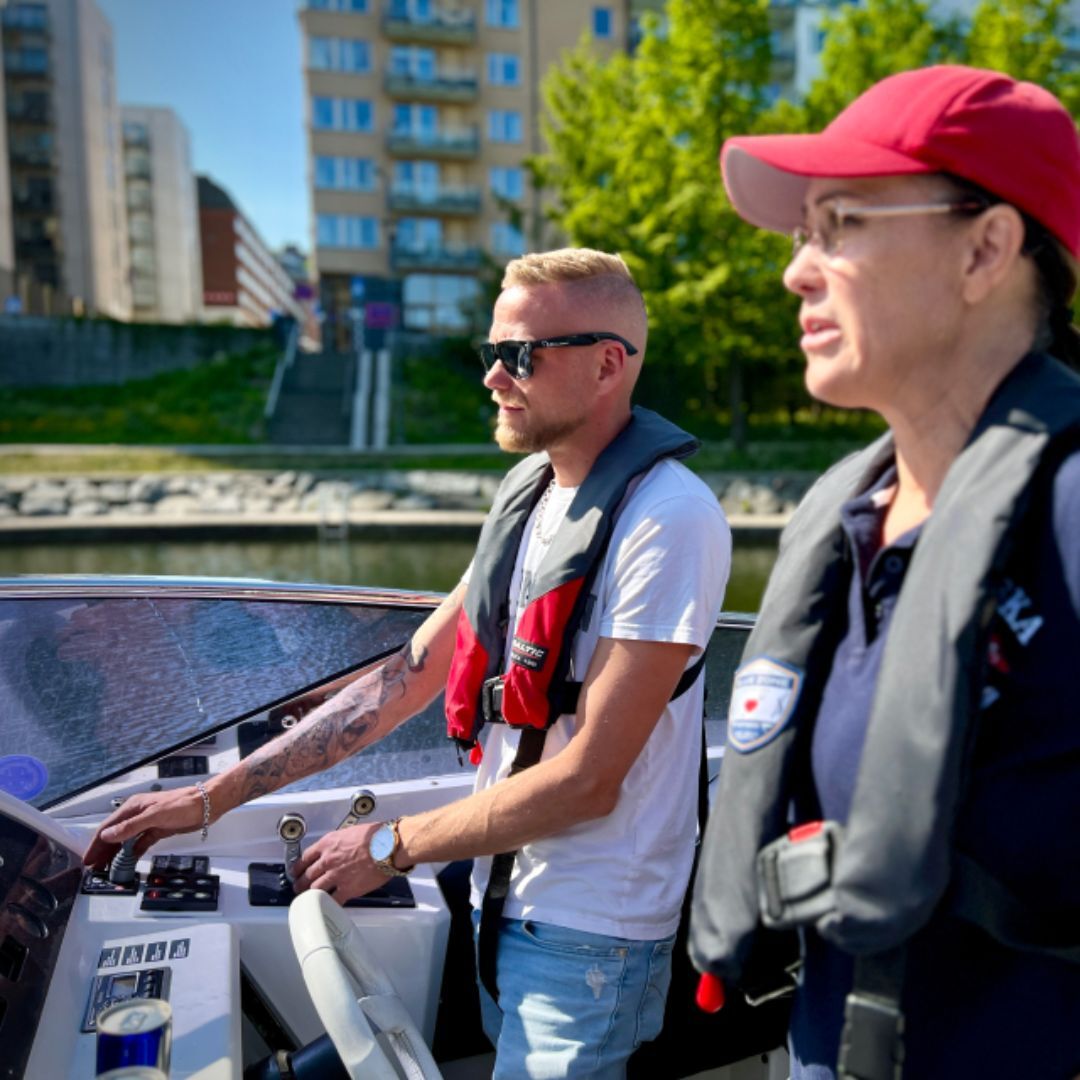
Maria coachning in a Sunseeker Thunderhawk 43 ft in Stockholm City
© 2026 | Neptunia